

“…. a haven for the deepest contemplation on spiritual reality and foundational questions of life.”
The Baha’i Writings

Auditorium
The Temple Auditorium is open every day:
Summer: 6:00 a.m. to 8:00 p.m. – Mar. 20 – Oct. 31
Winter: 6:00 a.m. to 6:00 p.m. – Nov. 1 – Mar. 19
Daily Devotional Programs: Brief programs of prayers and readings (about 15 minutes) are shared in the Auditorium at the following times:
- Daily at 12:30 p.m. and 5:30 p.m.
- On Sundays at 12:30 p.m. the program is about 30 minutes and includes a capella singing and a written program on a particular theme. Afterwards, everyone is invited to a group discussion on the theme of that day’s program.
Programas Devocionales en Español
1er domingo de cada mes a las 2:00 p.m. en el Auditorio del templo
Seguida por una presentación en Español sobre la Fe Bahá’í a las 2:30 p.m. en el Centro de Bienvenida
Welcome Center
The Welcome Center is open every day from 10:00 a.m. to 6:00 p.m.
The Welcome Center Bookshop is open every day:
- Wednesday: 1:30 p.m. to 5:00 p.m.
- All other days: 10:00 a.m. to 12:30 p.m. and 1:30 p.m. to 5:00 p.m.
Note: The Bookshop will be closed May 21, 2024
We regret that restrooms are not available on the House of Worship property when the Welcome Center is closed.
Upcoming Event
REGULARLY HELD PROGRAMS:
Discussion on Sacred Writings: Immediately following the 12:30 p.m. Devotional Program on Sundays, everyone is invited to a group discussion on the theme of that day’s program. Sundays: 1:00 p.m. to 1:30 p.m. in the lower level of the Temple.
Presentation on the Baha’i Faith: PowerPoint presentation with Q&A – Saturdays: 2:00 p.m. to about 3:00 p.m. in the lower level of the Welcome Center.
Conversations Exploring the Baha’i Faith: Join in an informal “Fireside” discussion: Fridays: 6:00 p.m. to 7:30 p.m. in the Welcome Center.
Meditation Sessions: First Wednesday of each month from 7:00 p.m. to 8:30 p.m. Meet in the Welcome Center at 7:00 p.m. for brief discussion then meditate quietly in the Temple for 45 minutes, followed by brief discussion. Optional REGISTRATION and more information at Eventbrite.
UPCOMING SPECIAL PROGRAMS
Declaration of the Báb
May 22, 2024 at 10:00 p.m.
(Two hours after sunset)
Choral Festival Devotional Concerts
May 26, 2024 at 9:30 a.m. and 12:30 p.m.
Ascension of Bahá’u’lláh
May 28, 2024 at 4:00 a.m.
___________________________
Sign up for the House of Worship eNewsletter.
Visit our Facebook page
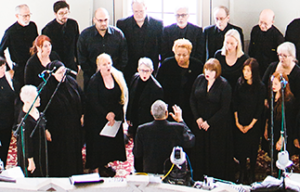
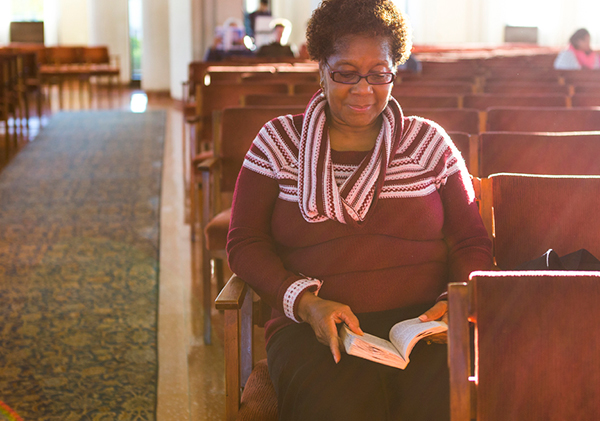
There is no clergy in the Baha’i Faith and no sermons or speeches are given in the Auditorium. Excerpts from scripture are pre-selected by the House of Worship staff and read aloud by local community members.
The Baha’i Faith teaches that every individual can investigate religious and spiritual truth. During your visit, you are free to explore the Baha’i Faith’s unifying teachings, including the oneness of humanity, the common threads among all major religions, and the connection between the human spirit and the betterment of the world.


Welcome Center
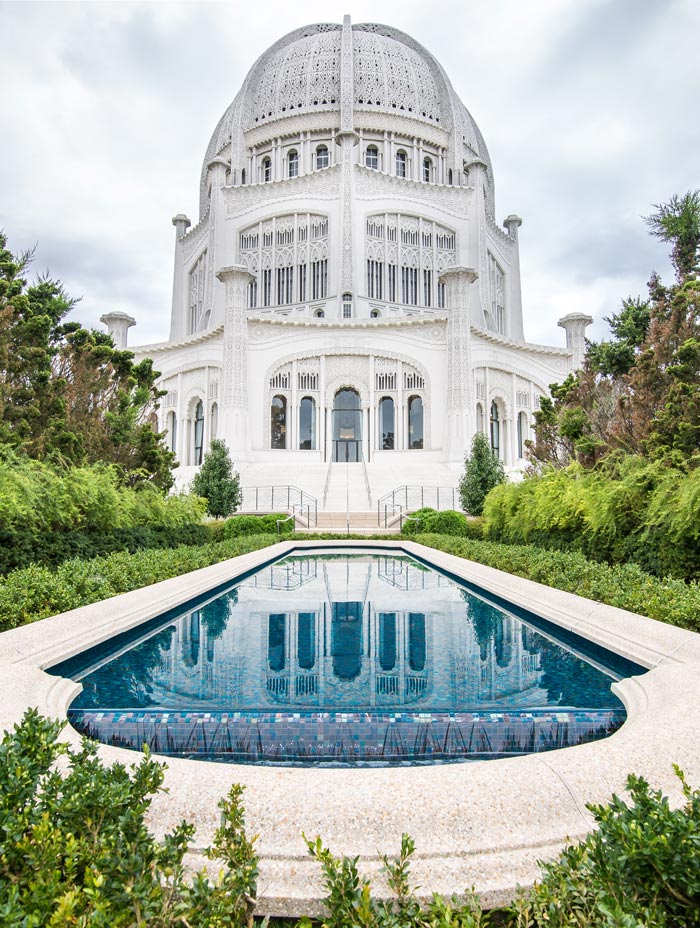
The Welcome Center is located just west of the Temple on Linden Avenue. At the Welcome Center you may explore the history of the Temple and the early American Bahá’ís, watch a short film, visit the bookshop, and connect with volunteer guides and staff.

Explore More
The Fireside Room
This room, located in the visitors center, is a place to relax and prepare yourself before exploring the temple or a relaxing space to explore spiritual conversations with the other guest and temple guides.
Visitor Guidelines in this Sacred Space
Visitors guidelines: Shoes and shirts are required. Modest dress is recommended. Guide dogs and other service dogs are the only animals permitted. Please secure bicycles to the racks provided before entering the grounds.
Photography guidelines: Group photography requires prior permission. Fashion, modeling or commercial photography is not permitted. Photography of any kind is not permitted in the Auditorium. (see more details)

